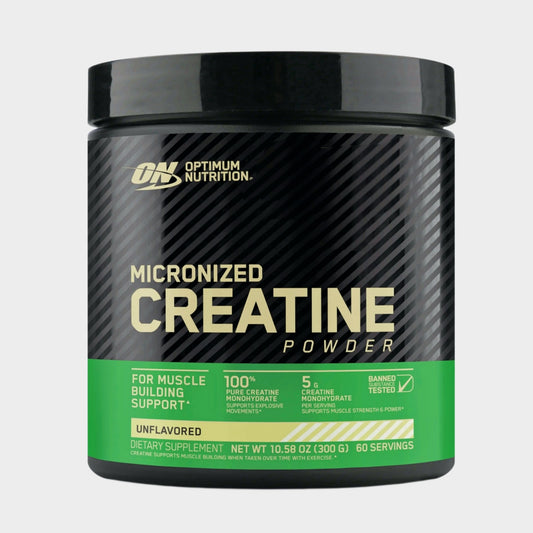

Creatine Myths vs Facts - What Science Really Says
Creatine is one of the most researched fitness supplements in the world, yet it continues to be surrounded by confusion and misinformation. Some people believe it damages kidneys, causes hair loss, or behaves like a steroid. Others think it works instantly or must be cycled constantly.
The reality is much simpler: creatine is widely studied, effective, and generally safe when used correctly.
In this article, we’ll break down the most common creatine myths and compare them with actual scientific facts so you can make informed decisions about supplementation.
If you’re looking for authentic creatine supplements, explore Ace Nutrition Creatine Collection.
Myth #1: Creatine Damages Kidneys
Fact:
Research consistently shows that creatine is generally safe for healthy individuals when taken in recommended amounts.
3–5 g/day
Many people misunderstand elevated creatinine levels in blood tests and assume it means kidney damage. However, this is not the same thing as impaired kidney function.
People with pre-existing kidney conditions should still consult a healthcare professional before using supplements.
Myth #2: Creatine Is a Steroid
Fact:
Creatine is not a steroid.
Steroids are synthetic hormones, while creatine is a naturally occurring compound found in muscle cells and foods like red meat and fish. Creatine simply helps your body produce quick energy during intense physical activity.
Myth #3: Creatine Causes Hair Loss
Fact:
There is currently no strong scientific evidence proving creatine directly causes hair loss.
This myth became popular because of one older study discussing DHT levels, but later research has not confirmed a direct connection between creatine and baldness.
Myth #4: Creatine Causes Water Retention
Fact:
Creatine increases water content inside muscle cells, not beneath the skin.
This can actually help muscles appear fuller while improving hydration and workout performance.
Myth #5: You Must Do a Loading Phase
Fact:
Loading is optional.
Some users choose to load creatine using:
20 g/day for 5–7 days
However, taking a regular daily dose also works effectively over time.
3–5 g/day
Consistency matters more than loading.
Myth #6: Creatine Works Instantly
Fact:
Creatine is not an instant-performance supplement.
Most people begin noticing improvements after two to four weeks of regular supplementation combined with proper training and nutrition.
Myth #7: You Need to Cycle Creatine
Fact:
There is no scientific requirement to cycle creatine on and off.
Many people use creatine continuously for long periods without issues when following recommended doses.
Myth #8: Creatine Causes Dehydration
Fact:
Research does not support the claim that creatine causes dehydration when proper water intake is maintained.
In fact, creatine may help improve muscle hydration because it increases intracellular water storage.
Staying hydrated is still important during any training program.
Myth #9: Creatine Is Only for Bodybuilders
Fact:
Creatine can benefit a wide range of people including athletes, beginners, runners, football players, and individuals involved in strength or high-intensity training.
Its benefits go beyond bodybuilding and may include improved power, endurance, and recovery.
Myth #10: All Creatine Supplements Are the Same
Fact:
Quality and authenticity matter significantly.
Low-quality or counterfeit supplements may contain poor ingredients or inaccurate dosages. Choosing trusted and original products is essential for safety and effectiveness.
You can browse authentic options like Muscletech Platinum Creatine Monohydrate and Kevin Levrone Gold Creatine.
How to Use Creatine Properly
For most people, a simple daily dose is enough:
3–5 g/day
Take it consistently, stay hydrated, and combine it with proper nutrition and training for the best results.
Final Thoughts
Creatine remains one of the safest and most effective supplements available for improving strength, workout performance, and muscle recovery. Most concerns surrounding creatine are based on outdated myths rather than scientific evidence.
The most important factors are consistency, proper dosage, hydration, and using authentic supplements from trusted sources.
FAQs
Is creatine safe for daily use?
Yes, research suggests creatine is generally safe for healthy individuals when taken daily in recommended doses.
Can beginners use creatine?
Yes. Creatine is commonly used by both beginners and experienced athletes.
Which type of creatine is best?
Creatine monohydrate is considered the most researched and effective form.
Should creatine be taken before or after workouts?
Both options can work. Daily consistency is more important than timing.
How long does creatine take to show results?
Most users begin noticing results within two to four weeks of consistent use.