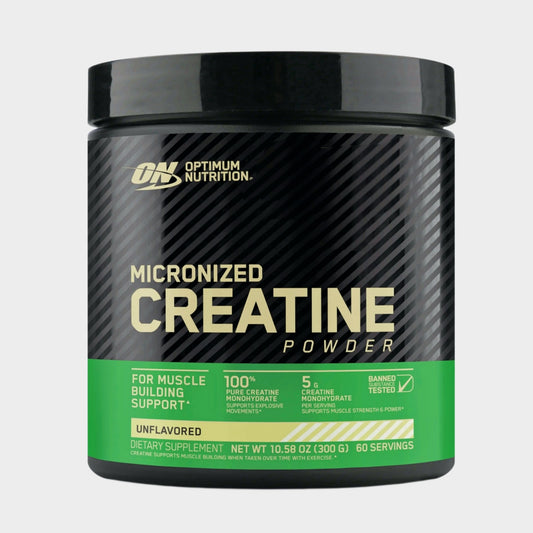

Creatine for Healthy Aging: Benefits for Adults Over 40
As we get older, staying healthy isn't just about maintaining a healthy weight, it's also about preserving strength, energy, mobility, and independence. While many people associate creatine with athletes and bodybuilders, research has shown that this naturally occurring compound may offer valuable benefits for adults over 40 as well.
In fact, creatine is increasingly being recognized as a supplement that can support healthy aging by helping maintain muscle mass, improve physical performance, and promote overall well-being.
What Is Creatine?
Creatine is a natural substance found in muscle cells and is also present in foods such as red meat and fish. Its primary role is to help produce adenosine triphosphate (ATP), which serves as the body's main source of energy for movement and physical activity.
Although the body produces creatine naturally, production and dietary intake may not always be sufficient to support optimal levels, especially as we age.
Why Muscle Health Matters After 40
Many adults begin experiencing gradual muscle loss after the age of 30. This process can accelerate with age and lead to reduced strength, slower metabolism, decreased mobility, and a greater risk of falls.
Maintaining healthy muscle mass becomes increasingly important because muscles play a critical role in:
- Supporting daily movement
- Protecting joints and bones
- Maintaining balance and stability
- Promoting metabolic health
- Preserving independence later in life
This is where creatine may become a valuable addition to a healthy lifestyle.
Potential Benefits of Creatine for Adults Over 40
Supports Muscle Strength and Function
One of the most studied benefits of creatine is its ability to support muscle strength. When combined with regular resistance training, creatine supplementation may help adults maintain and improve muscle performance.
For individuals over 40, stronger muscles can make everyday activities such as climbing stairs, carrying groceries, or staying active significantly easier.
Helps Preserve Lean Muscle Mass
Age-related muscle loss is a natural part of aging, but it doesn't have to be accepted without action.
Research suggests that creatine supplementation, especially when paired with exercise, may help support the preservation of lean muscle mass. This can contribute to better physical function and overall quality of life.
Supports Exercise Performance
Many adults find that recovery and exercise performance decline with age. Creatine helps replenish energy stores within muscles, allowing for improved performance during strength training and other physical activities.
Better workouts often lead to better long-term health outcomes.
May Promote Healthy Aging
Healthy aging isn't just about living longer, it's about maintaining physical capabilities and staying active. By supporting strength, mobility, and exercise capacity, creatine may help adults remain physically engaged and independent as they age.
Supports Recovery
Recovery becomes increasingly important after 40. Muscle soreness and fatigue can sometimes discourage consistent exercise.
Creatine may help support recovery from physical activity, making it easier to stay committed to an active lifestyle.
Is Creatine Safe for Older Adults?
Creatine is one of the most extensively researched supplements available today. For healthy adults, creatine monohydrate has demonstrated a strong safety profile when used according to recommended guidelines.
As with any supplement, individuals with existing medical conditions or concerns should consult a healthcare professional before beginning supplementation.
How Much Creatine Should Adults Over 40 Take?
For most healthy adults, a daily intake of 3–5 grams of creatine monohydrate is commonly recommended. Consistency is more important than timing. Taking creatine daily helps maintain adequate levels in the muscles, allowing users to experience its benefits over time.
Choosing a High-Quality Creatine Supplement
Not all supplements are created equal. When selecting a creatine product, look for:
- Pure creatine monohydrate
- Transparent ingredient labeling
- Third-party tested products when available
- Reputable brands with proven quality standards
For those looking to support strength, recovery, and healthy aging, choosing a trusted creatine supplement can make all the difference.
Explore our premium creatine collection to find high-quality options designed to support your fitness and wellness goals. Whether you're looking to maintain strength, improve recovery, or stay active as you age, the right creatine supplement can help you get the most from your healthy lifestyle.
Frequently Asked Questions (FAQs)
Is creatine safe for adults over 40?
Yes. Creatine monohydrate is one of the most researched dietary supplements available. Studies have consistently shown it to be safe for healthy adults when taken at recommended doses. If you have a medical condition or take prescription medications, it's best to consult your healthcare provider before starting any supplement.
Can creatine help prevent age-related muscle loss?
While creatine is not a cure for age-related muscle loss, research suggests it may help support the maintenance of lean muscle mass and strength when combined with regular resistance training and a balanced diet. This can be especially beneficial for adults over 40.
Do I need to exercise for creatine to work?
Creatine can increase muscle creatine stores regardless of exercise, but its benefits are typically greater when combined with strength training or regular physical activity. Exercise and creatine work together to support muscle strength, performance, and recovery.
How much creatine should adults over 40 take daily?
Most adults can benefit from 3–5 grams of creatine monohydrate per day. Consistent daily use is generally more important than the specific time of day you take it.
Will creatine cause weight gain?
Some people may notice a small increase in body weight during the first few weeks of supplementation. This is usually due to increased water being stored within muscle cells, not body fat gain. Many users view this as a normal part of creatine supplementation and a sign that muscle creatine stores are increasing.